
Using your gift of sensitivity

It is often said that being sensitive is a weakness, can confuse you and sometimes make rushed and bad decisions which is true to an extent, however sensitivity is actually a gift. When we learn more about our sensitivity levels which are different for everyone we are able to use them in a constructive way. Never feel that your sensitivity responses are negative. They just need fine-tuning.

They say there’s a percentage of people that are overly sensitive, and respond to life with a negative perception, they call this neuroticism. Neuroticism is one of the five personality traits of the population. However, these are not all bad, it’s the labels society give and the way these traits are interpreted, which in turn create a certain language that sounds like these percentage of people are all doom and gloom. However, this is not the case.

Being responsive, receptive, empathetic, and more in tune and aligned with your nervous system, and your emotional undercurrent’s is a gift

Sometimes you may feel that it’s too much mentally or physically but over time once you nurture and understand more of yourself, you would find that the sensitivity levels you have are just right. They just need to be understood, and worked with

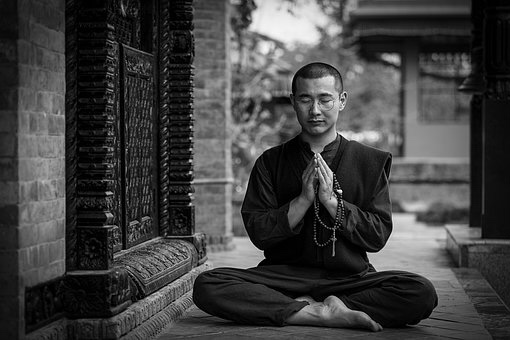
Why stillness is fundamental to emotional wellness

We hear a lot of talk around prevention in terms of looking after yourself with self care and seeking help at the early stages of low mood and mild depression. However, even though these are helpful, in getting better here I want to look at what helps you staying better and furthermore being in a position to deal with future emotional challenges

It’s called learning the art of stillness (equanimity). What is stillness, stillness isn’t non movement or action. It means to deal or take action on something in a relaxed way. It’s the body being balanced and relaxed to deal with whatever is happening. This is more a mental state, where the mind is clear it is balanced and you have control of what is affecting and forcing you. It’s being at such a pace that your body can manage and have a great level of flexibility

Again, this is not perfection. It’s not apathy. There will be times when you will feel not comfortable or negative which is normal. However, intentionally creating a still mind allows you to zone in on a problem productively. It allows your bodies response to be in time of the situation or challenge. It creates a psychological safe mind. Filtering and overseeing things that is easy for you

It puts your thoughts into perspective. It allows observation detachment from compulsive thoughts and actions. It creates a sustainable mind. One that works for you not against you. Sometimes even the worst of times can help you to seek stillness. It’s such a powerful insight to have. It is the best preventer to emotional and mental distress.

To apply it will be easy once you find what works for your body. What allows you space?. Once you calm the nervous system you can start to work with internal insight and behaviours which will take you on a fun journey of self.

How do you set healthy boundaries

Learning how to set boundaries, is something that we learn to build and understand over a longer period of our lives. It can take time to set and understand our own boundaries, so you can see it as self exploration. Setting boundaries is not just your likes and dislikes, your do’s and don’t’s, understanding what triggers you. At the core of things they are understanding what are your capacities, your energy levels, your sensitivity levels.

Setting healthy boundaries is not about being disagreeable for no reason. It’s more understanding how much you can give at that particular time in your life or that moment. However there is also setting boundaries for those that are trying to delegate or force you in a abusive way. For example, some people can sometimes overstep your boundaries unintentionally due to them being stressed or unreasonable due to distress in their own lives. This is where it is good to see and know the difference in the people we work close with at work or friends and family.

As we grow and our lifestyle and responsibilities change our boundaries will need to change too. Therefore it is important to set practical standards and realistic ideas for how much we can give and take on. Not being afraid to upset people with our boundaries. Clear communication will benefit everyone in the long run regardless how we take it. Boundaries that are set with good intentions and insight to your capacities are the best thing you can do when engaging with people. They are great for your psychological well-being and safety and encourage respect and appreciation for your contribution to the relationship