Understanding is only the beginning

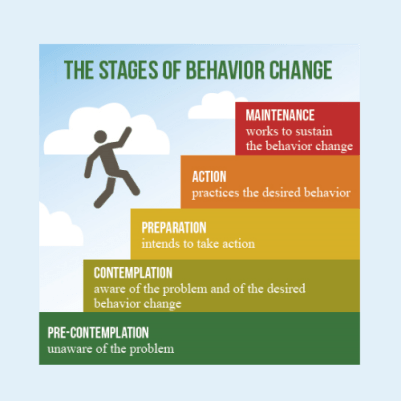
Throughout our childhood and middle ages, we consume so much knowledge on how to navigate in the world, information and advice comes from those around us and from the knowledge we seek individually. However, in acquiring the knowledge and life lessons we can tend to keep the same behaviours or habits. This is because intellectual knowledge differs from behavioural change. Life itself is the true arena for learning, and this takes practice over an extended period of time. Sometimes we need to fall to rise as they say. Reparenting is the act of learning how to meet your needs as an adult. 

Change happens when we dive deeper into ourselves and face our cognitive and emotional mind. Emotional addiction plays a big role in continuing to be in a relapse of emotions or frustrated mindset. The environment we live in plays a major role in distracting and disturbing our growth and this is where we need to discipline our being one day at a time to reach our goals. 

Declarative knowledge is when you can recite the information or the processes of your thoughts and actions, and procedural knowledge is knowing how to apply and utilise this information to your advantage. Practice, life and experience and willpower to overcome negative responses and negative emotions is key. The brain makes predictions on what has happened in the past and calculates this to be in the current and future in order to protect you, which isn’t a bad thing. Filtering what is needed is essential 
 

behaviour_change_cycle-1

The ability to respond

In the recent events and reading and viewing the violence, dishonesty, anger, frustrations but also kindness, care and togetherness amongst them , one thing came to mind not only for myself but for the society and those that govern it, ‘responsibility’

As a collective we have a responsibility and duty of care for ourselves and those we live with. Of course we cannot be omnipresent to prevent everyone’s actions but a firm reminder of responsibility and exercising our own actions; provides trust and confidence in our own personal principles and integrity as individuals.

We have many preventative measures in place, i.e; policing, legalisation and rights, however these measures are not being adhered to by certain individuals who say they are active citizens and care for the community. In turn, anger and hatred rises for those who say they are responsible citizens and do the opposite. Deep down, if we feel we are not responsible or have the concern for the wellbeing of all people then we should not be in fields or places where we don’t have the ability to respond to or respect the welfare of its people.

Unknown


How Do We Maintain Optimism In The Face Of Reality?

It is said that optimism is the faith and hope that leads to achievement and prosperity. Therefore, if we can find ways to maintain this innate perception and boost are morale independently we can face reality head on.

When our emotions and circumstances feel like a rollacoaster experience and setbacks happen we can learn to prepare the brain for less fortunate outcomes we can move on promptly and learn more from what has happened. We can transform negative phases or periods by altering our scale of measure. Scale of measure comes from Equanimity, it is an excellent interpersonal skill to learn to help toxic thinking. Therefore, the question is how do we learn this. There are a number of ways which suit each individual, but there is a simple technique/method which uses perceptions and repetitions to help support the brain to operate at a higher level. This is by using ‘awareness’, Acceptance and surrender to pass current beliefs and ideologies we have that can cause hindrances.

If we can ask ourselves what these are, and then seek to take the necessary amount of effort and time to re-program and unlearn the pessimistic thoughts, beliefs and ideologies our internal mind inhabit, we can assist ourselves in moving forward in a positive and healthy way. This can be done in a number of ways, such as quietening the senses, such as quietening or monitoring our thoughts, eating habits and entertaining pleasures etc. This helps with focus and concentration. Identifying negative thought patterns and limiting the thoughts of those around us if possible. Therefore, forcefully removing ourselves from environments and relationships or standing your ground and being honest. This leads onto dullness of sloth of the body, so taking care of your physical aspects to support your mental state and raise self esteem. 

You can have the ability to calm the mind by thinking without negative or low thoughts. Focusing on the tasks and creating actions to get stuck into. Even though this can be difficult as you may have too many tasks or they maybe difficult, the key is then to make space, what do I mean by make space. Take time out of the day to sit in stillness, this maybe called meditation or mindfulness, however this can just be putting yourself in a place where there is nothing happening. No technology or people, simply just sit with your thoughts and look out of the window or what is in front of you and spend time with just you and your thoughts, over time you can silence them or redirect them to focus on what’s important. Remember this can take a while, it will be challenging but worth it. 

Again, this is a process. Do not force or struggle with getting it right, practice this everyday, if you relapse its ok, this is something that will eventually take shape and new behaviours replaced.

optimism.jpg

Getting Connected With Your Emotions

Emotional literacy is something we learn not only from school, we continue to feel and have an array of emotions throughout our lives. Overtime, we can get comfortable or accustomed with them, other times they go out of control and feel like a burden. However, as we continue to think deeper into WHY we feel this way and WHAT triggers these; we seem to uncover and delve deeper into our feelings.

I feel as we discover and explore our emotions that we get more comfortable and excepting of what triggers us and how sensitive we are. It’s beautiful to be sensitive and in touch with our emotions. We are not weak or immature if we cannot sometimes contain or overcome our feelings. The key is being aware of them and connecting them to the situations and pass experiences that cause them. We all have different sensitivity levels and we shouldn’t compare ourselves to others. Our upbringing, parents, environment and inner thresholds shape our inner feelings. To help support our emotions maybe need various platforms to assist them such as, mentorship, self help books, social community, safe and deep conversations and personal feedback.

mark-daynes-J6p8nfCEuS4-unsplash

A Different Model of Learning

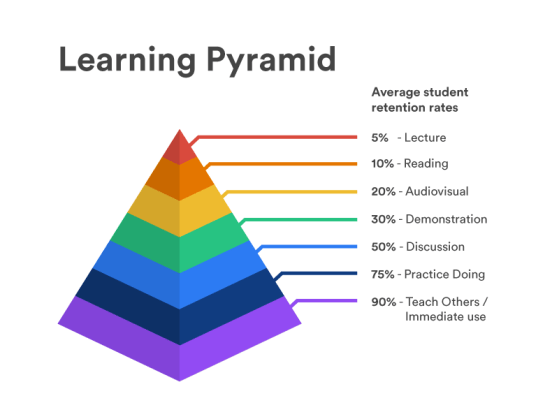
Cognitive learning and emotional learning are very different, and emotional learning is something that happens gradually overtime. It is a life process, however it can be understood and grasped by not only personalised learning of their emotions but finding and testing what mode of learning can conjure and open up our senses and deeper understanding of what traits and emotions need igniting. The new mode of learning should break old behavioural habits and replace them with new ones, challenge you and help you get out of your own way as they put it. As we are all different and have various curiosities, our emotive learning should be approached in numerous techniques and assessments. They should be live with peer to peer learning and fundamentally show how we interact. They should push barriers and take us out of our comfort zones. Revisiting and reprogramming our emotions is called by Psychologist – as extinguishing. Declarative knowledge is understanding the information, however procedural knowledge is knowing how to use that information. Emotional learning is achievable by not only what we learn but how we learn (Practice) and by who is delivering the teaching.

Becoming better at emotional competencies is for those that are open to delve deeper into themselves and wanting connection. As we mature as people, and look at self development we can discover a whole new way of feeling and find synergy within work, our homes, and self/personal relationships. Furthermore, emotional literacy/intelligence learning in holistic and therapeutic services would be so powerful for those that are suffering with mental health, depression, anxiety and low self esteem as well as education institutions. Again, it is learning that needs time and duration to see the benefits and momental change. Subconsciously, we are always learning and picking up things from responses and circumstances overtime, and it’s essential that we pay attention to our feelings by reflecting from time to time. 


dribbbleinfographic.png

Engaging Cooperation

Sorry for the delay in writing this blog,. Since April, I have been working for various services for NELFT NHS Trust and recently had the opportunity to work in education welfare for the Harris Federation which is an academy that has over 40 academies in London. I am working specifically with students that have behavioural difficulties that provide obstacles for learning.

Also I have been elected as a public governor for an NHS trust. So, life has been quite busy. Things have happened very quickly over the last four months and I’m excited and ready to support and be of counsel to my community.

A lot of my work encompasses the need to learn tools and new ways to engage cooperation. However, not only how to engage others but to motivate and engage myself even when I may not be having a good day or feel that the outcomes or the synergy is not collectively there. It takes a lot of reflective practice when engaging with young people and adults. Therefore, having the experience to work with both age ranges challenge you to be adaptable and have a deeper understanding of the level of cognitive development.

I have been looking at a few study options to help me work with students which is REBT therapy and Educational psychology.
REBT is the pioneering form of cognitive behaviour therapy developed by Dr Albert Ellis in 1955. REBT is an action orientated approach to managing cognitive, emotional, and behavioural disturbances. According to REBT, it is largely are thinking about events that leads to emotional and behavioural upset.

Leading on from this, “equanimity” is a skill that enables us to delve deeper into our emotions and look at internal triggers. Recently I have been looking deeply into observation and introspection which enables one to measure their responses and perceptions.

In conclusion, I have found that once we are able to look within and understand our cognitive and emotional development so far and to pinpoint which intrinsic attributes we already have and those that need developing. We can then make room to be emotionally and mentally available, which in turn gives as the capacity to understand others and to build healthier relationships


IMG_6134.jpg


What is Mental Wealth?

Today, I want to speak about the term ‘Mental Wealth’, what is meant by the term mental wealth? I had this conversation with my mother who has hypomania and she liked the term because it was not only looking at ways of coping with mental health but having a different perspective on yourself and on the thoughts that you have within your mind. As hypomania is a personality disorder and when looking at psychosis, anxiety and depression we are affected in different ways and although we have coping strategies, medication, we sometimes can have relapses that make life difficult, this understanding that we have the support from those around us and there is a wealth of knowledge and that things are okay and can be okay though we have negative thought processes. So mental wealth is looking at all the external and internal things that we can use to help us and that we can empower ourselves through the suffering.

To have a positive emotional well-being and mental health is looking at what triggers us and how we think. So, looking at our thought patterns and how we respond to external situations and also if we can look back and assess our past if it’s conducive to our outcomes. In order to sometimes heal or move on from a particular time in our lives we first have to find the faith and courage to approach that time of trauma, loss, grief etc. So, I wanted to summarise on a positive note that there is many resources and ways we can get help and also, it’s for those that want to learn how to help those that are suffering and that it is so beneficial to support those in need by self-education and how to change our negative perspectives on mental health.


sharon-pittaway-98257-unsplash-1440x1440


A Power Of An Hour

Last week I attended the London network village event called the power of an hour. It was an event for youth between the ages of 16 to 25 and was for those who would like to network in the industry and it gave the young people a chance to perform and show their skills. A great night where stalls for young people were set up to sell their creative ideas and creative businesses. I now have the pleasure of presenting to a group of young people at the Urban Youth Centre, they have given me an hour to speak with young people.

Within this hour, I will be going over the highs and lows of my career path, how I got into social entrepreneurship and talking about what talent and skills are needed to thrive and be successful within the corporate world (whatever industry they’re going into). 
I’ll be forward-thinking for them to equip themselves and give them insight for ideas and tools and skills and awareness that they would need when moving from education into employment.

One of my key beliefs in the ever-demanding role of employment is that the key ingredient to thrive is being Emotionally Intelligent. Therefore, knowing how to get on with people throughout the whole Organisation.

Knowing how to get along with people is probably one of the most successful skills you can acquire in order to be successful. Competence within the role is not only the talent and knowledge of the position but fundamentally the emotional awareness of those you work with and the culture of that organisation as well as your emotional regulation that you maintain throughout the pressures and demands of work life.

Being young and new to a organisation can be daunting but that’s natural to feel like that. Even years into my experience at work I can feel nervous when starting a new position as its new and you sometimes don’t know what to expect, especially if you are changing careers. A power of an hour is a great idea to share ones knowledge and experience to support and guide those on their career path.


UnknownIMG_0111 copy

Emotional Wellbeing

Towards the end of last year, I had the pleasure of working with young people at the Wilderness Foundation. Providing a fun and informal workshop for 10 teenagers. The experience was great. Many of these young people have been through so much but yet so kind and willing to engage in the work. For a few of them it took a while to settle and get comfortable with the activities, however within an hour the few that took no interest changed and made attempts to overcome their fears or over come their own resistance.

To see them laugh and speak openly in the group was something special. Among the other activities we spoke about emotional wellbeing and what that looked like to them. How they see themselves in the future and also what were their expectations of other people’s emotions. Even the mentors said new ideas of their own emotions were looked at in a new perspective which was amazing. Overall, emotional wellbeing is something that needs attention throughout our lives whether we come from a challenged background or not.

The emotions of others and the new environments and situations in our lives can always test and challenged are emotions and it’s always nice to check in with ourselves from time to time

thumbnail_IMG_9290.jpg


A Social Worker Saved My Life

IMG_9062

Living with a family friend for 3 years who was a social worker when I was kicked out at 18, saved my life. Ten years later I was in a long-term relationship with a Social Worker who explained in-depth the work Social Workers do for our community. It wasn’t until then that I realised how lucky I was to be supported and mentored indirectly by a family friend who took me in when I had nowhere to go as a teenager. I could see myself going down the wrong path, and was dealing with depression and trauma from a difficult childhood.

Social Workers are like super humans helping our community. They have immense  emotional intelligence, emotional availability and empathy. The are often demonized by press and not so supportive social workers. However, there are so many social workers doing great work to support young and older people in our community. I don’t think they get the credit they deserve. They work long hours, have numerous of caseloads and take on emotional distress without sometimes getting clinical supervision. Throughout their work, I have seen that they are passionate about helping and supporting people. Without our social workers, young people and families would not have the protection and guidance needed to move to a positive direction. Child protection and safeguarding is essential to the welfare of our people. Social workers keep doing the great work you are doing as you constantly save lives!