
Listening is more than just hearing the words that someone speaks. It is an essential skill that goes far beyond the surface level of communication. It is the bridge between people, fostering genuine connection, creating understanding, and facilitating growth—both personal and professional. Yet, in our fast-paced world, full of distractions, we often take the act of listening for granted. To truly listen, we must invest time, attention, and care. Let’s dive into why listening is so important, how we can improve this skill, and how it impacts our relationships and lives.
What Is Listening, Really?
At its core, listening is an active process. Unlike hearing, which is simply the physical act of sound entering the ear, listening requires effort. It is the conscious decision to focus on what someone is saying, to interpret their words, and to understand the meaning behind them. Listening involves paying attention not only to the spoken language but also to non-verbal cues, such as tone, body language, and facial expressions.
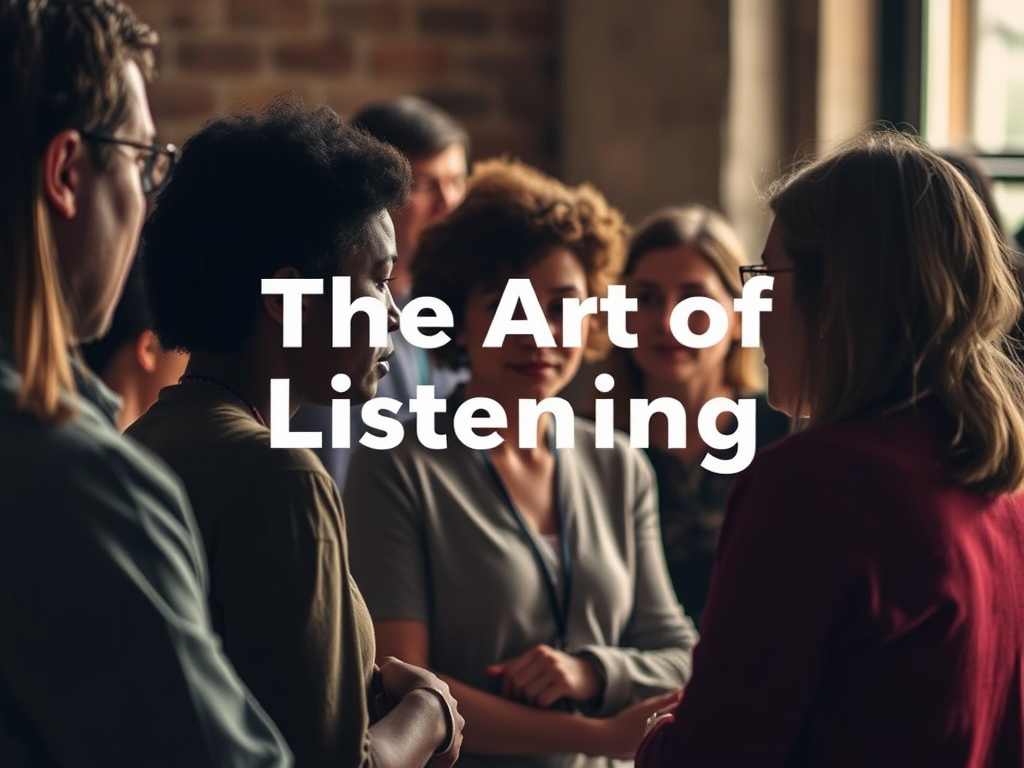
True listening requires us to suspend judgment and avoid the urge to respond too quickly. It demands patience, presence, and empathy. This is the art of listening.
The Importance of Listening
- Building Stronger Relationships:
At the heart of every strong relationship is effective communication, and at the core of effective communication is listening. Whether in personal relationships, at work, or with friends, being heard can make a world of difference. When you listen actively, you make others feel valued and understood. This creates an environment of trust, which is essential for healthy, lasting relationships. - Enhancing Empathy:
Listening well allows you to put yourself in someone else’s shoes. By truly understanding another person’s perspective, you develop empathy, which is the ability to feel and understand their emotions. This fosters a deeper emotional connection, and people are more likely to open up to you if they feel you are genuinely listening. - Problem-Solving and Innovation:
In both personal and professional settings, listening is crucial for problem-solving. When you listen carefully, you gain insights into the underlying issues, which can lead to more effective solutions. Additionally, listening to diverse viewpoints and ideas encourages creativity and innovation. Collaboration thrives when people feel heard and understood. - Personal Growth:
Listening is also a key to self-improvement. By actively listening to feedback, whether from peers, mentors, or loved ones, we learn more about ourselves. Constructive criticism, when received with an open mind, can guide our personal and professional development.
Barriers to Effective Listening
Despite the many benefits, listening can be surprisingly challenging. There are several barriers that can prevent us from listening effectively:
- Distractions:
Our environment plays a huge role in our ability to listen. Physical distractions, such as background noise or digital interruptions, can disrupt our focus. Mental distractions, like racing thoughts or concerns about the future, can also prevent us from being fully present. - Judgment:
Sometimes, we listen with the intent to respond rather than to understand. This can cause us to filter what the other person is saying through our own biases, leading to misinterpretation. By allowing judgment to cloud our ability to listen, we miss the opportunity to genuinely understand someone else’s perspective. - Emotional Barriers:
Strong emotions—either on our part or the speaker’s—can make listening difficult. Anger, frustration, or anxiety can block our ability to truly hear what is being said. These emotions might also make us defensive, preventing us from accepting the other person’s point of view. - Assumptions:
Making assumptions about what the speaker is going to say before they finish their thoughts can result in misunderstanding. This is often rooted in our desire to quickly resolve a conversation or problem. We might prematurely formulate our response instead of allowing the speaker the space to fully express themselves.
How to Improve Your Listening Skills
- Be Present:
The first step to becoming a better listener is to be fully present. This means setting aside distractions—putting your phone down, making eye contact, and focusing on the speaker. This signals to the other person that you value what they have to say. - Practice Active Listening:
Active listening goes beyond hearing the words. It involves nodding in agreement, asking clarifying questions, and paraphrasing what the speaker has said. This shows that you are engaged and helps ensure that you understand their message accurately. - Listen Without Judgment:
Try to listen without forming opinions or responses while the person is speaking. Instead, focus on understanding their perspective. Avoid interrupting, even if you feel the urge to share your own thoughts. The speaker should feel that their thoughts are being honored. - Empathise:
Empathy is key in good listening. When someone is sharing something personal or emotional, practice empathy by putting yourself in their shoes. Acknowledge their feelings with a simple statement like, “That must have been really tough for you.” - Don’t Rush to Fix Things:
Not every conversation requires a solution. Sometimes, the best thing you can do is simply listen and provide emotional support. Let the speaker know you are there for them without trying to offer solutions unless they ask for advice. - Give Constructive Feedback:
When it’s appropriate, offer feedback in a thoughtful and respectful manner. If the conversation calls for a response, ensure that your reply is grounded in the context of what has been said and demonstrates that you were actively listening.
The Impact of Listening
Listening does more than just foster positive relationships—it has the potential to change the world. Leaders who listen well inspire loyalty and collaboration. Teachers who listen to their students build trust and create effective learning environments. In families, listening strengthens bonds and ensures that everyone feels valued.
At its core, listening is a tool for growth. It opens doors to new ideas, facilitates conflict resolution, and enriches our understanding of others. The ability to listen actively and empathetically is, indeed, an art—one that we can all improve with practice. By honing this skill, we not only improve our relationships but also become better, more engaged versions of ourselves.
So, the next time you’re in a conversation, remember: listening is a gift you give to others and, ultimately, to yourself.

 benucation.com